Recipe finder
Open this path when the cooking question matches recipe finder. Compare it with neighboring links if you are still choosing what to cook.
Chinese cooking, explained clearly
Pick a dish, check the pantry, and cook from visible cues instead of vague timing.
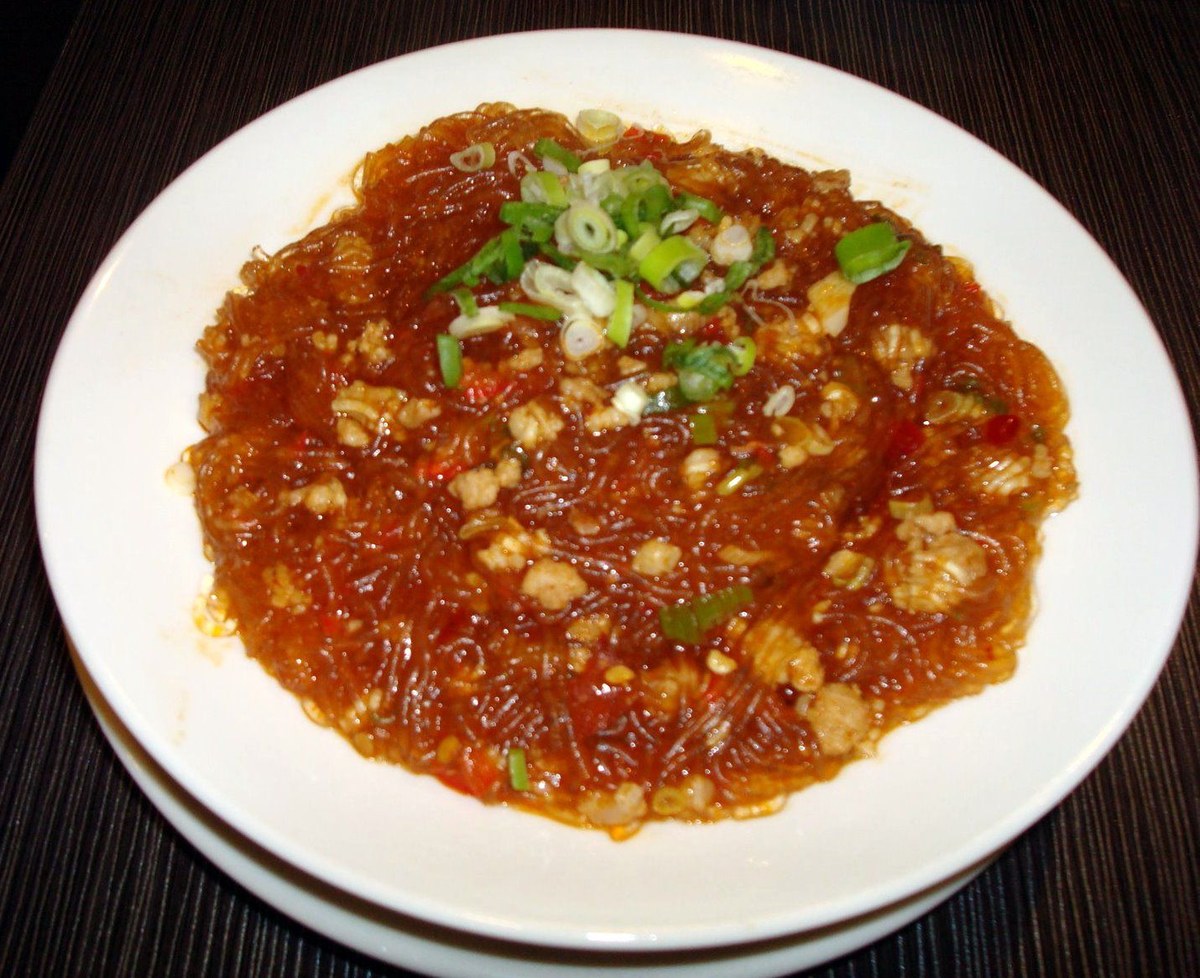
Soak the glass noodles until flexible, fry the minced pork and doubanjiang until aromatic, then simmer the noodles only until they absorb the sauce and stay separate.
Beginner path
Start with texture, then cold-side balance, then a pantry-forward Sichuan classic.
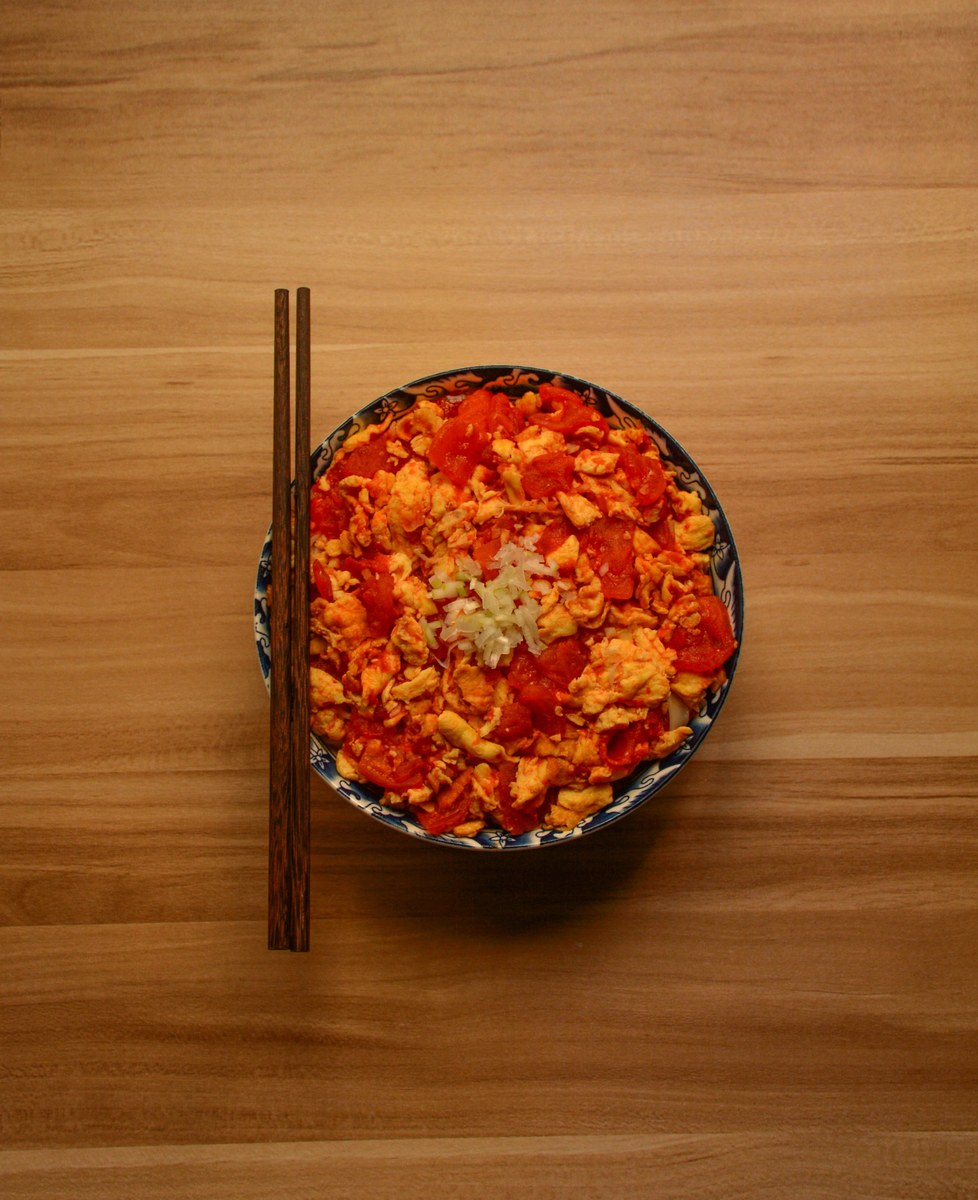
Scramble the eggs into large glossy curds first, remove them, cook tomatoes until they release juice, balance with salt and a little sugar, then fold the eggs back gently.
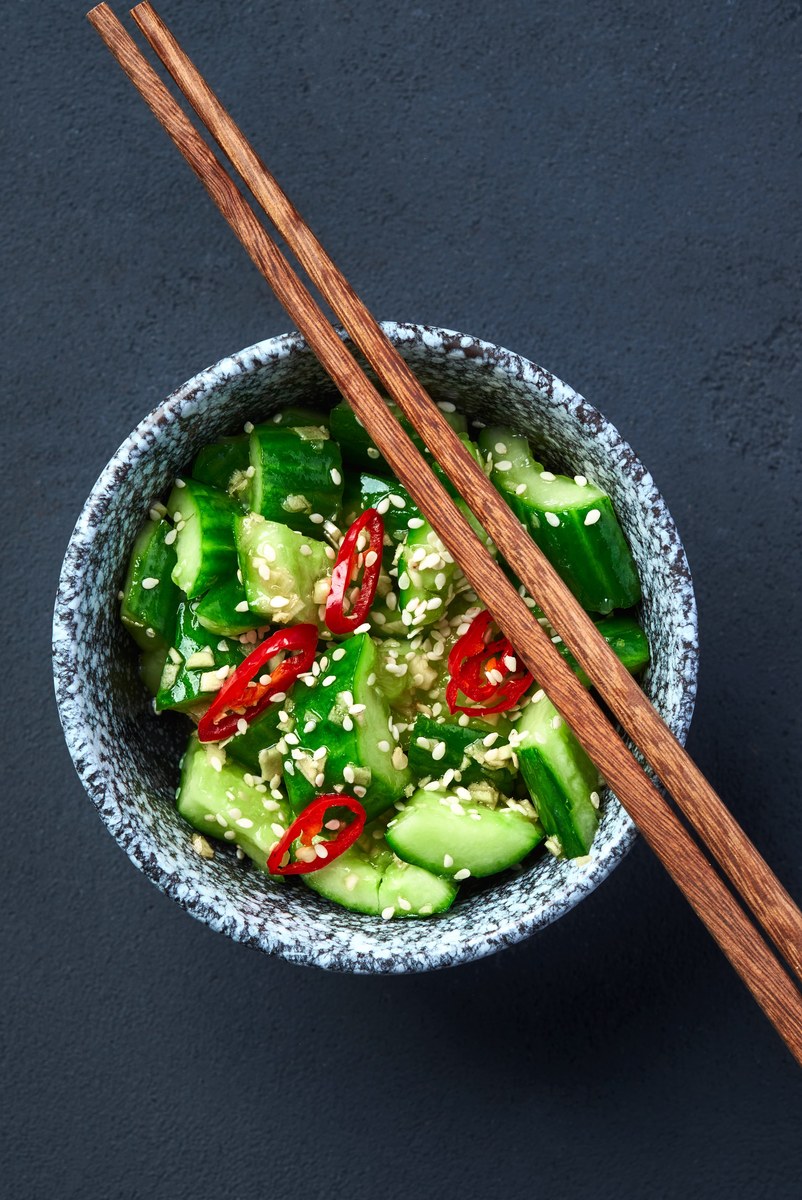
Smash the cucumbers so the dressing can cling, salt briefly to drain excess water, then toss with garlic, vinegar, sesame oil, and chili oil right before serving.
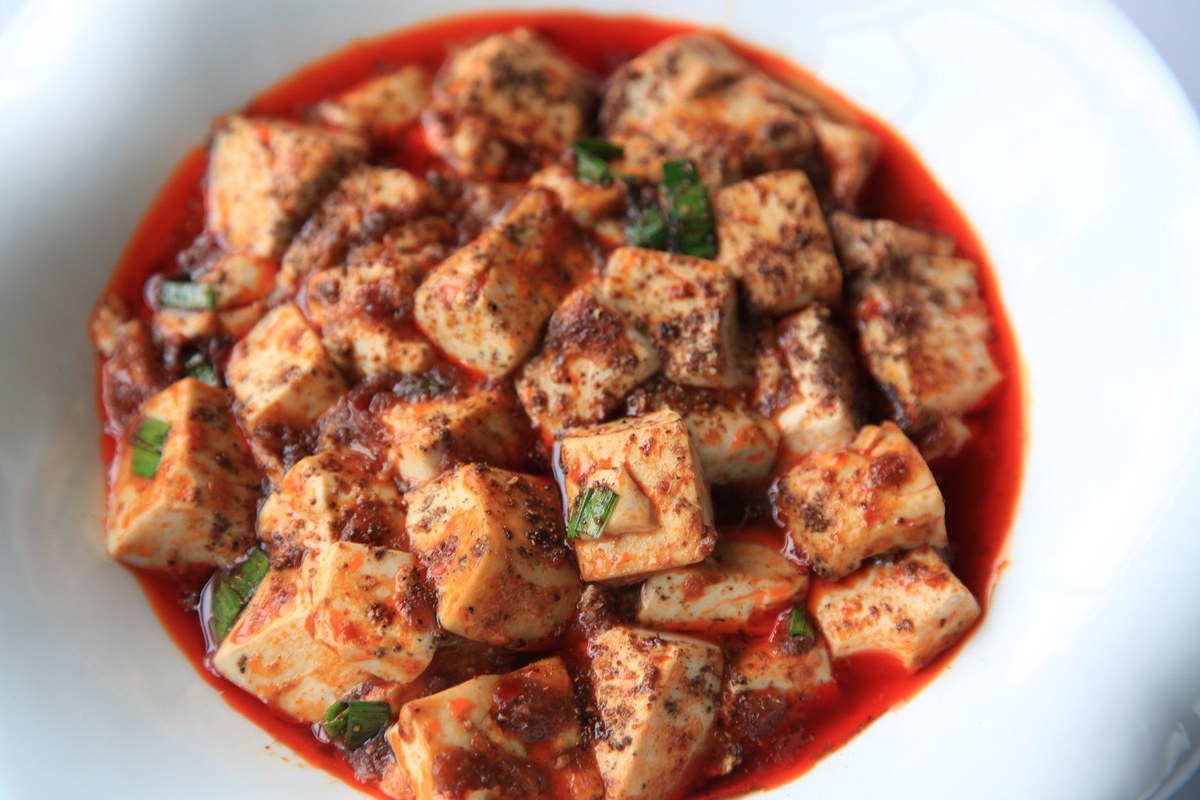
Use soft tofu, fry doubanjiang until the oil turns brick red, simmer instead of stir-frying hard, thicken in small additions, and finish with roasted Sichuan peppercorn at the table.
Cuisines
Sichuan cooking is not only about heat. Its signature rhythm comes from fermented chili bean paste, aromatic chili oil, toasted peppercorn, garlic, ginger, vinegar, and layered savory sauces.
Cantonese home cooking often prizes freshness, gentle heat, clear sauces, soups, steamed dishes, and precise timing that lets the main ingredient stay recognizable.
Jiangnan cooking leans into rice wine, soy sauce, sugar, vinegar, river produce, and slow gloss. The flavor is often mellow, savory-sweet, and polished rather than loud.
Northern Chinese home cooking is built around wheat, dumplings, noodles, scallions, garlic, vinegar, sturdy vegetables, and make-ahead family projects.
Home-style Chinese cooking is built around practical heat control, leftovers, pantry sauces, eggs, rice, noodles, and vegetables that work without restaurant equipment.
Hunan cooking is bold, chile-forward, smoky, and fresh-tasting, often using chopped chilies, fermented notes, smoked meats, and sharp vegetable textures.
Fujian cooking often leans into seafood, soups, gentle sweetness, rice wine, dried seafood notes, and soft textures that feel rounded rather than sharp.
Shandong cooking prizes clean broths, seafood, scallions, vinegar, wheat foods, and savory clarity that influenced much of northern Chinese cooking.
Xinjiang cooking brings wheat noodles, lamb, cumin, peppers, onions, and big-plate family meals into a style that feels hearty and aromatic.
Yunnan cooking often highlights mushrooms, herbs, rice noodles, bright salads, and broths that feel aromatic without needing heavy sauces.
Guide depth
Silk & Steam Chinese Recipes is a hub page, which means it should do more than list links. Use the home page as a cooking desk for choosing recipes, checking pantry context, and learning techniques before heat starts.
Use the hub to decide where to go next. The visible cards are entry points, but the surrounding explanation gives the reader a way to choose between them. A good hub tells the user what kind of question each child page answers.
Important paths on this page include Recipe finder, Pantry guide, Technique guide, Sichuan Cuisine Guide, Cantonese Cuisine Guide, Jiangnan Cuisine Guide, Northern Chinese Cuisine Guide, and Home-Style Chinese Cooking Guide. Those links are useful because they connect broad browsing intent to pages with recipes, pantry notes, technique guidance, or regional context.
When reading a cooking hub, start with the kind of decision you need to make. If you already know the dish, go to the recipe library. If you know the ingredient, use the pantry guide. If the problem is texture or timing, use the technique guide first.
This structure also helps search engines and answer engines understand the site. The hub explains how pages relate to one another, while the child pages carry the detailed instructions, substitutions, safety notes, and recipe recommendations.
Use Silk & Steam Chinese Recipes as a practical cooking guide rather than a decoration around a recipe list. Read the opening idea, then scan the linked recipes for timing, heat level, texture, and pantry overlap. That order helps a home cook decide what to make before shopping, while still giving enough context for search visitors who landed on the page with a specific question. Each linked page should answer a real cooking decision rather than acting as a thin index card.
Silk & Steam Chinese Recipes also works as an internal map for the site. The recipes, pantry notes, and technique links are intentionally connected so a reader can move from a broad question into a concrete dish, then back into a supporting skill or ingredient explanation. That pattern builds useful internal links without forcing the same paragraph onto every page. Each linked page should answer a real cooking decision rather than acting as a thin index card.
For cooking decisions, the most important detail is not only the name of the dish. A reader needs to know what texture to expect, what ingredient carries the flavor, which step is fragile, and what can be prepared ahead. This page keeps those decisions close to the recipes so the user does not need to open ten tabs before starting dinner. Each linked page should answer a real cooking decision rather than acting as a thin index card.
The page is written for English-speaking home cooks using ordinary pans, grocery-store ingredients, and a mixed pantry. It avoids assuming a restaurant wok burner, a full Chinese pantry, or previous knowledge of regional cooking terms. When a linked recipe needs a special paste, sauce, starch, or folding method, the surrounding notes explain why that element matters. Each linked page should answer a real cooking decision rather than acting as a thin index card.
If you are comparing options, start with the dishes that share ingredients you already own. Then check the method and total cooking time. A short recipe can still fail if the heat sequence is wrong, and a longer recipe can be easy if the work is mostly simmering, steaming, resting, or cooling. Each linked page should answer a real cooking decision rather than acting as a thin index card.
For meal planning, keep one anchor dish and one supporting dish. Pair a bold sauce with plain rice, a crisp stir-fry with a soup, or a rich braise with a cold vegetable plate. That approach keeps the table balanced and makes the cooking session feel organized instead of crowded. Each linked page should answer a real cooking decision rather than acting as a thin index card.
For SEO and reader trust, the page should answer the obvious question in plain language, then give enough detail to prove the answer is usable. That means naming the dishes, showing the relevant techniques, explaining pantry substitutions, and warning about texture or food safety when a recipe depends on those choices. Each linked page should answer a real cooking decision rather than acting as a thin index card.
The repeated theme is cue-based cooking. Timers help, but visible changes matter more: oil color, sauce thickness, steam strength, noodle spring, dumpling edges, vegetable brightness, and whether a protein is cooked through. Those cues make the page useful even when the reader changes brands, pan size, or serving count. Each linked page should answer a real cooking decision rather than acting as a thin index card.
Use Silk & Steam Chinese Recipes as a practical cooking guide rather than a decoration around a recipe list. Read the opening idea, then scan the linked recipes for timing, heat level, texture, and pantry overlap. That order helps a home cook decide what to make before shopping, while still giving enough context for search visitors who landed on the page with a specific question. Each linked page should answer a real cooking decision rather than acting as a thin index card.
Silk & Steam Chinese Recipes also works as an internal map for the site. The recipes, pantry notes, and technique links are intentionally connected so a reader can move from a broad question into a concrete dish, then back into a supporting skill or ingredient explanation. That pattern builds useful internal links without forcing the same paragraph onto every page. Each linked page should answer a real cooking decision rather than acting as a thin index card.
For cooking decisions, the most important detail is not only the name of the dish. A reader needs to know what texture to expect, what ingredient carries the flavor, which step is fragile, and what can be prepared ahead. This page keeps those decisions close to the recipes so the user does not need to open ten tabs before starting dinner. Each linked page should answer a real cooking decision rather than acting as a thin index card.
Open this path when the cooking question matches recipe finder. Compare it with neighboring links if you are still choosing what to cook.
Open this path when the cooking question matches pantry guide. Compare it with neighboring links if you are still choosing what to cook.
Open this path when the cooking question matches technique guide. Compare it with neighboring links if you are still choosing what to cook.
Open this path when the cooking question matches sichuan cuisine guide. Compare it with neighboring links if you are still choosing what to cook.
Open this path when the cooking question matches cantonese cuisine guide. Compare it with neighboring links if you are still choosing what to cook.
Open this path when the cooking question matches jiangnan cuisine guide. Compare it with neighboring links if you are still choosing what to cook.